
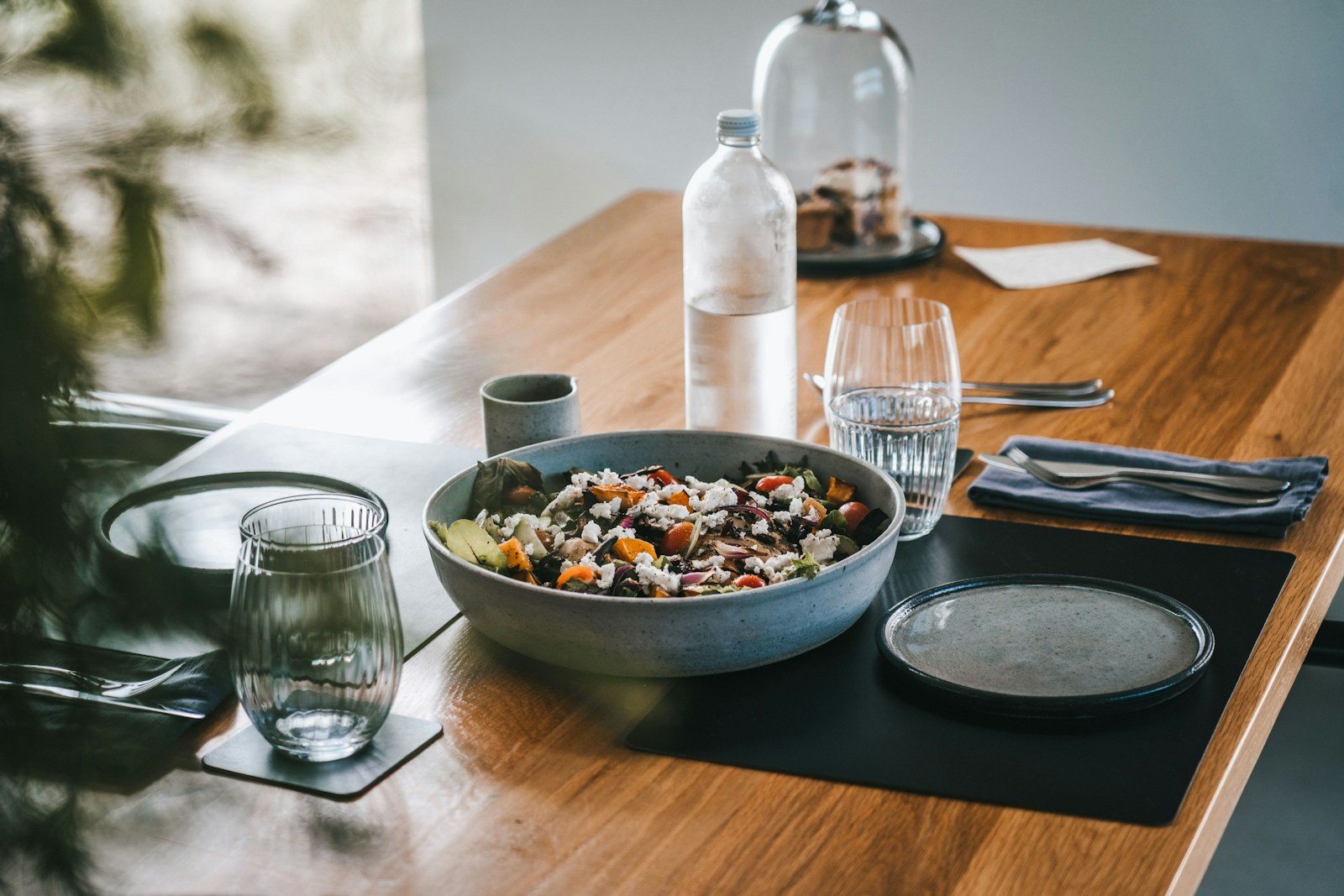
Introduction: The Struggle Behind the Plate
In a world brimming with fad diets, 10-day detoxes, and guilt-driven fitness trends, the simple idea of “eating right” often gets buried under mountains of misinformation. Weight control becomes a battle, not a lifestyle, leaving many overwhelmed and disheartened. But what if maintaining a healthy weight didn’t have to feel like punishment? What if eating right was less about restriction and more about intention?
This essay presents a grounded, sustainable approach to managing weight—one that blends nutritional science, self-awareness, and everyday practicality. It isn’t about perfection or six-pack abs. It’s about feeling energized, confident, and in control—without obsessing over calories or food labels.
- Understanding What “Eating Right” Really Means
Eating right isn’t a one-size-fits-all formula. It’s not about adopting the latest superfood craze or cutting carbs entirely. At its core, eating right means fueling your body in a way that supports its functions, honors its cues, and sustains your energy.
Balanced eating includes:
Whole foods: Fresh vegetables, fruits, lean proteins, whole grains, healthy fats.
Variety: Different colors and food groups to cover nutritional needs.
Moderation: No foods are completely off-limits unless for medical reasons; portion control and frequency are key.
Instead of aiming for “clean eating” (a term often used to demonize certain foods), aim for conscious eating—being aware of what, when, and why you eat.
- The Psychology Behind Weight Control
Controlling your weight isn’t just a biological process—it’s deeply psychological. Emotional eating, food guilt, and social pressure all shape our habits far more than we realize.
To maintain a healthy weight long-term, start by understanding your relationship with food:
Do you eat when you’re bored or stressed?
Do you rush meals without savoring them?
Do you label foods as “good” or “bad”?
Awareness is the first step to change. Once you notice your patterns, you can begin to shift them gently. For example, swap comfort eating for comfort rituals: a walk, a call to a friend, or journaling. Over time, you’ll train your mind to respond rather than react to cravings.
- Why Diets Don’t Work—and What Does
Most diets fail not because people lack willpower, but because the diets themselves are unsustainable. They promise quick results but require drastic restrictions, leaving you mentally and physically exhausted. Eventually, old habits return, often with added weight.
Instead of dieting, adopt a long-term lifestyle approach. This includes:
80/20 Rule: Eat nutrient-dense foods 80% of the time, and allow room for flexibility the other 20%.
Meal routines: Regular meals and snacks keep blood sugar stable and prevent binge eating.
Mindful indulgence: Enjoy your favorite treats without guilt—just not every day.
By removing the “all or nothing” mindset, you create a lifestyle that feels livable, not like a temporary phase.
- Portion Control: The Secret Weapon
You don’t have to weigh every morsel or count every calorie to manage your weight. But portion awareness can dramatically shift how much you eat without you feeling deprived.
Simple tools for portion control:
Use smaller plates to naturally reduce serving sizes.
Follow the plate method: Half your plate with veggies, one-quarter protein, one-quarter carbs.
Eat slowly. It takes about 20 minutes for your brain to register fullness. Put down your fork between bites and chew thoroughly.
It’s not just what you eat, but how you eat that makes the difference.
- The Role of Macronutrients in Hunger and Satiety
All calories are not created equal. A 300-calorie donut and a 300-calorie veggie stir-fry affect your body very differently.
Here’s how the key macronutrients contribute to weight control:
Protein (chicken, beans, tofu): Helps build muscle, boosts metabolism, and keeps you full longer.
Fiber-rich carbs (whole grains, fruits, vegetables): Stabilize blood sugar and improve digestion.
Healthy fats (avocados, nuts, olive oil): Slow down digestion and satisfy hunger hormones.
Each meal should ideally include all three macronutrients to optimize fullness, satisfaction, and energy.
- Snacking Smart Without Sabotaging Progress
Snacking isn’t the enemy—mindless snacking is. Grazing on chips or sweets out of habit, not hunger, can add hundreds of extra calories a day.
Here’s how to snack smarter:
Choose protein + fiber combos: Apple with peanut butter, Greek yogurt with berries, hummus and carrots.
Pre-portion your snacks instead of eating from large bags or containers.
Snack with purpose, not boredom. Ask yourself: “Am I hungry—or just looking for distraction?”
Smart snacking prevents energy crashes and binge eating later.
- Hydration and Its Overlooked Role
Often, what feels like hunger is actually dehydration. Staying hydrated not only supports digestion and metabolism but also curbs unnecessary snacking.
Tips for hydration:
Drink a glass of water before meals.
Carry a reusable water bottle with you.
Add fruit slices or herbs to water for flavor if plain water feels boring.
Aim for around 8 glasses a day, adjusting based on activity level and climate.
- Sleep and Stress: The Hidden Saboteurs of Weight Control
Even if you eat well and exercise, chronic stress or poor sleep can sabotage your weight goals. Lack of rest and high cortisol levels disrupt hunger hormones (ghrelin and leptin), making you crave high-calorie foods.
To support healthy eating habits:
Prioritize 7–9 hours of sleep per night.
Incorporate stress-reducing habits like walking, reading, or meditation.
Avoid stimulants like caffeine and sugar late in the day.
A rested mind makes smarter food decisions.
- The Social Side of Eating: Learning to Navigate Without Guilt
Social events, family meals, and holidays can challenge your healthy eating goals—but they don’t have to derail them.
Strategies for social eating:
Eat slowly and focus on conversation, not just food.
Don’t arrive starving; have a small snack beforehand to avoid overeating.
Balance indulgences: If you splurge at dinner, opt for a lighter breakfast the next day—without guilt or restriction.
Remember: weight control is about trends, not single meals. What you do most of the time matters more than what you do once in a while.
- Consistency Over Perfection
Perhaps the most important truth about eating right and managing weight is this: progress, not perfection, creates results. You don’t need a flawless diet to feel good in your skin. You need habits that you can live with.
Missed a workout? Overate at a party? That’s part of life. What matters is your next choice, not the last one.