
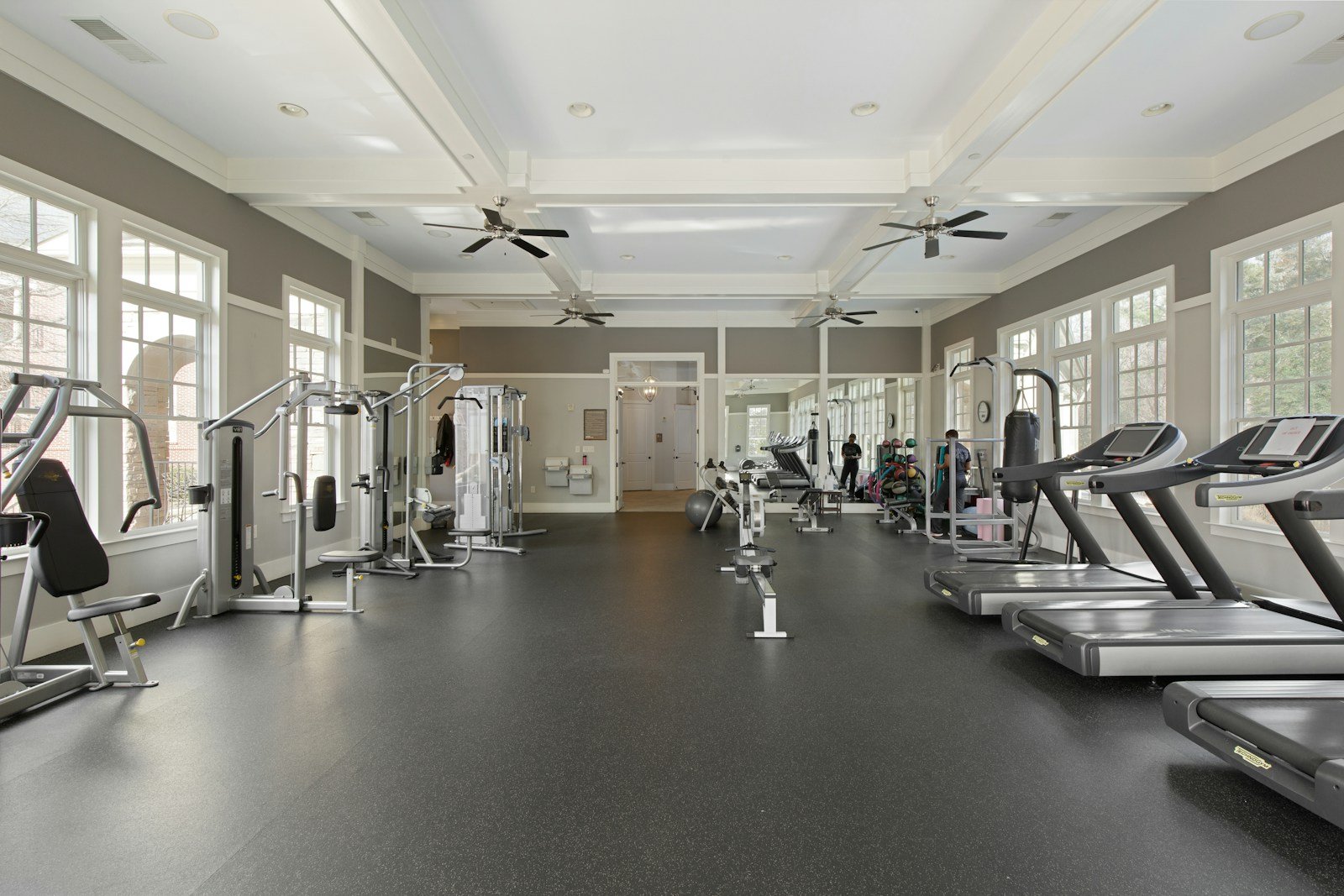
In the modern world, “busy” isn’t just a description—it’s a lifestyle. Between careers, family responsibilities, social obligations, and endless to-do lists, prioritizing fitness often feels like a luxury. Gym memberships go unused, workout gear gathers dust, and our health quietly slips down the priority ladder. But what if fitness didn’t require commuting to a gym, expensive equipment, or even a full hour of your day? What if the path to a healthier lifestyle was already in your home?
This essay explores a sustainable, practical home workout plan specifically designed for busy people—people like you. We’ll break down how to design a realistic plan, the best types of exercises for limited time and space, and how to stay consistent without losing your mind or schedule.
The Myth of “No Time” for Fitness
The most common reason people skip workouts is time. We imagine fitness requires a large chunk of the day, complete focus, and elaborate preparation. But this is a myth built on the traditional gym-centric model. In reality, fitness can be modular, flexible, and tailored to even the most chaotic of lives.
Most of us waste small pockets of time throughout the day—scrolling social media, waiting for dinner to cook, or passively watching TV. A 10-minute bodyweight workout during these breaks can be more effective than an hour-long gym session once a week. The key is changing our mindset: fitness isn’t a separate chore—it’s part of our daily rhythm.
Why Home Workouts Are the Ultimate Solution for Busy People
Home workouts eliminate all the friction points: commuting, parking, waiting for machines, changing clothes, and post-gym showers. You can work out in your pajamas, between meetings, or even while your kids nap. This immediacy removes excuses and allows for consistency.
Here are a few distinct advantages:
Time Efficiency: Even 10–15 minute routines can improve strength, cardiovascular health, and energy levels.
Privacy & Comfort: You control your space, music, and dress code.
Cost-Effective: No gym fees, transportation costs, or fancy outfits needed.
Adaptability: Whether it’s yoga, HIIT, strength, or stretching, your routine evolves with your needs.
Creating Your Personalized Home Workout Plan
A home workout plan doesn’t have to be complicated. It just needs to be intentional, realistic, and repeatable. Here’s a framework to build your own:
- Set Clear, Achievable Goals
Do you want to build strength? Increase energy? Improve posture? Shed a few pounds? Having a goal helps guide your routine and track progress. But keep it realistic—start with “work out 3x per week” instead of “lose 20 pounds in a month.” - Choose Your Time Slots
Instead of waiting for a “perfect” time, look at your current routine. Can you dedicate 10–20 minutes in the morning? During lunch? After dinner? Put it on your calendar like a meeting, and treat it with the same respect. - Select the Right Type of Exercise
Depending on your goals, mix and match from the following categories:
Cardio (to burn fat and improve heart health): jumping jacks, high knees, jogging in place, burpees.
Strength Training (to build muscle): squats, push-ups, lunges, planks, resistance band exercises.
Flexibility & Mobility (to reduce stiffness): yoga flows, stretching routines, foam rolling.
Core Work (to improve posture and stability): leg raises, Russian twists, mountain climbers.
- Plan for the Week
Use this template as a starting point:
Day Focus Time Commitment
Monday Full Body Strength 20 mins
Tuesday Cardio & Core 15 mins
Wednesday Yoga / Stretching 20 mins
Thursday Lower Body Strength 15 mins
Friday Cardio Intervals 20 mins
Saturday Active Recovery (walk, light yoga) 30 mins
Sunday Rest or gentle stretching 10 mins
You can shuffle or condense this plan based on your week. Even doing 3 of these days consistently is better than sporadic bursts of intensity.
Must-Have Equipment (or Lack Thereof)
You don’t need a home gym setup to be effective. Most workouts can be done with bodyweight alone. However, a few low-cost additions can significantly expand your options:
Resistance bands: Great for strength training.
A yoga mat: Comfort for stretches, planks, and floor exercises.
Jump rope: Compact and excellent cardio.
Dumbbells or kettlebells (optional): For added strength challenges.
Everything else—your body, gravity, and motivation—is already available.
Sample 15-Minute Full-Body Workout (No Equipment)
Here’s a high-impact, low-time investment routine that hits all major muscle groups:
Warm-up (3 mins)
Jumping jacks (1 min)
Arm circles + torso twists (1 min)
Air squats (1 min)
Circuit (10 mins) – Repeat twice
15 squats
10 push-ups (knee or full)
15 lunges (each leg)
30-second plank
20 mountain climbers
Cool-down (2 mins)
Forward fold
Cat-cow stretches
Seated spinal twist
Done in 15 minutes. No commute. No equipment. Just results.
Staying Consistent: The Real Secret to Success
It’s not intensity—it’s consistency that delivers results. Here’s how to stick with your plan:
Start small: 5 minutes a day is better than none.
Track progress: Keep a workout journal or use a simple habit tracker app.
Build habit loops: Pair your workout with a daily habit—like brushing teeth or morning coffee.
Celebrate wins: Did 3 workouts this week? That’s a victory.
Forgive missed days: Life happens. Restart tomorrow.
Mindset Over Motivation
Relying on motivation is unreliable. Motivation fluctuates. But discipline and routine keep you going when life gets chaotic.
Shift your mindset from “I have to work out” to “I get to move my body.” View your workouts as self-care, not punishment. Even short workouts release endorphins, reduce stress, and enhance productivity. A 10-minute session can actually buy you back focus and energy for the rest of the day.
Final Thoughts: You Don’t Need More Time—Just a Smarter Plan
Busy people don’t need more time—they need better systems. A well-designed home workout plan fits into your life without disrupting it. It’s about progress, not perfection. Consistency, not intensity. And sustainability, not shortcuts.
You have everything you need to get started today—right now, even. No fancy gym, no hours of free time, no perfect body required. Just a small corner of your living room, a few minutes a day, and the will to show up.
So roll out your mat. Hit the floor. And take back your health—one home workout at a time.