
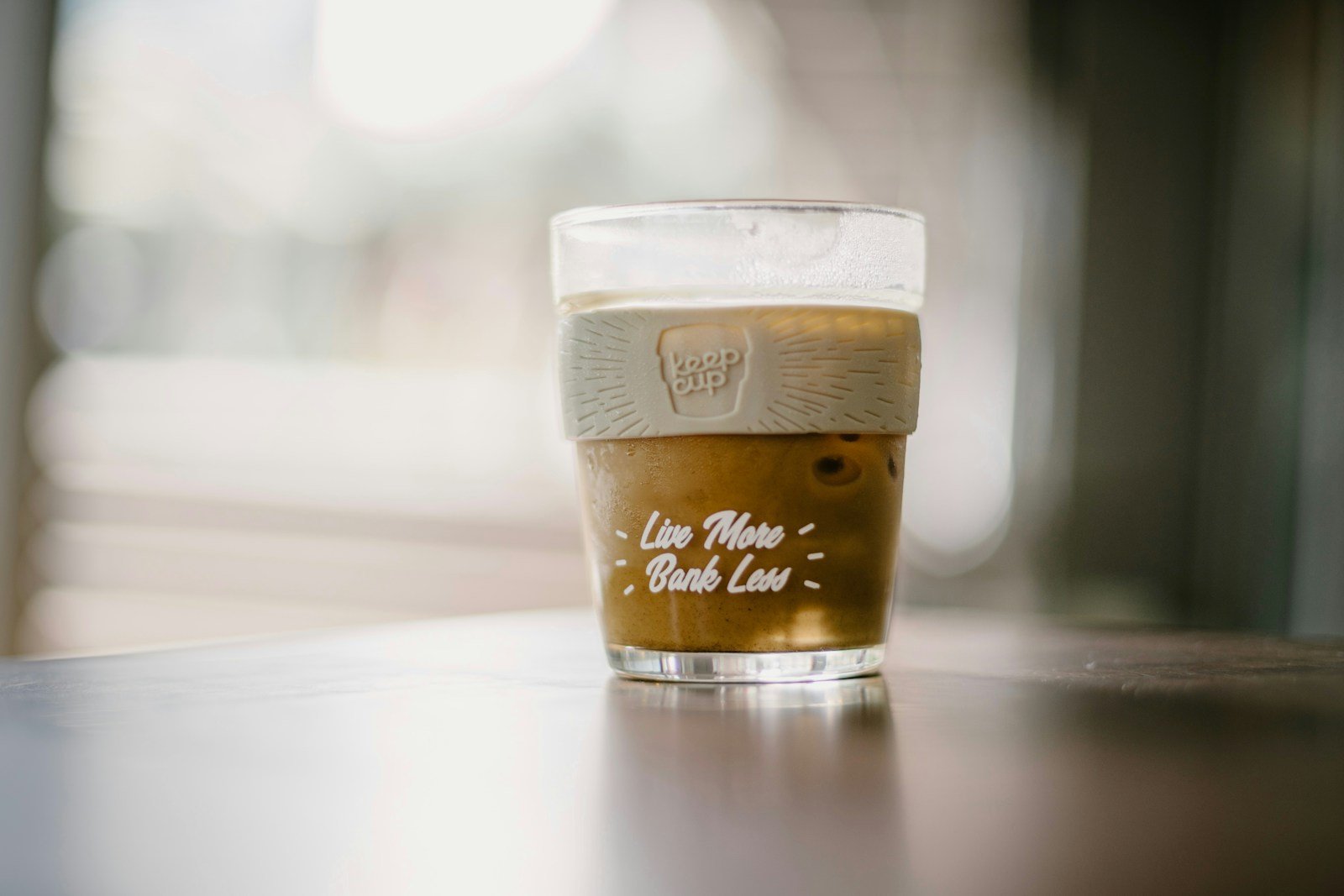
There’s something quietly powerful about a glass of water.
It doesn’t have the prestige of matcha lattes or the trendiness of green juice. It’s not sold in tiny bottles with influencer endorsements. It doesn’t scream “superfood” or carry the buzz of a new wellness hack.
But water — simple, colorless, tasteless water — is the original life force. It’s been sustaining bodies, ecosystems, and civilizations since the beginning of time. And yet, in our fast-paced modern lives filled with coffee runs, sugary drinks, and protein shakes, water has somehow become… optional.
Ask most people how much water they drank today and you’ll get some variation of: “Not enough.”
In a world obsessed with complexity, drinking enough water is a refreshingly simple act of self-care. But its benefits run deeper than most of us realize.
Let’s explore why drinking water every single day is not just important — it’s essential, transformative, and often the missing link in our physical and mental wellness.
You’re Mostly Water — And That’s No Metaphor
The human body is roughly 60% water. Your brain? Around 75%. Your heart and lungs? Over 80%. Even your bones — the hardest part of your body — are about 30% water.
We’re not just hydrated beings. We’re hydration dependent.
Water is the fluid that delivers nutrients, removes waste, cushions joints, regulates body temperature, and helps every single cell function properly. Without it, everything starts to slow down, misfire, or shut down entirely.
Imagine trying to run a factory without oiling the machines or flushing out waste. Eventually, things start to break.
That’s your body without enough water.
The Subtle Symptoms of Dehydration
Most people associate dehydration with dry mouths or extreme thirst. But the signs are often far more subtle — and much more common.
Some of the most overlooked symptoms of low-level, chronic dehydration include:
Fatigue and brain fog
Irritability or mood swings
Headaches or tension
Digestive issues like constipation
Cravings for sugar or salt
Dry skin and premature aging
Increased joint pain or stiffness
You might think you’re just tired, or getting older, or overworked — but your body might simply be dry.
It’s amazing what changes when you give it what it’s truly asking for.
Mental Clarity Starts With Moisture
Your brain is one of the thirstiest organs in your body. It needs water not just to survive, but to function optimally. Even mild dehydration — as little as 1–2% fluid loss — has been shown to impair memory, attention, and overall cognitive performance.
That mid-afternoon brain fog? The forgetfulness? The irritability that hits around 3 p.m.? It might not be burnout or low blood sugar — it might just be dehydration.
When you’re well-hydrated, your brain literally operates faster. Neural pathways fire more smoothly. You focus better. You make sharper decisions. Even your mood improves, as hydration helps regulate cortisol — your stress hormone.
In a culture that celebrates productivity, it’s ironic how often we ignore the cheapest, fastest brain boost available: a glass of water.
Your Body on Water: The Physical Upside
Let’s talk about the physical benefits, too. Staying properly hydrated does more than quench thirst — it supercharges bodily systems in the following ways:
- Improved Digestion and Detoxification
Water is key to digestion. It helps break down food, absorb nutrients, and keep waste moving smoothly through the colon. Without enough of it, digestion slows, leading to bloating, discomfort, and constipation. Water also supports kidney and liver function, helping filter toxins and keep your internal environment clean. - Healthy Skin from the Inside Out
No skincare routine can outmatch proper hydration. Water plumps up skin cells, boosts elasticity, and improves circulation. Over time, this leads to a clearer, more radiant complexion — no serum required. - Joint Health and Pain Reduction
Synovial fluid — the lubricant between your joints — is made mostly of water. Without enough hydration, joints can feel stiff, achy, or more prone to injury. Staying hydrated literally keeps your body moving smoothly. - Weight Regulation and Appetite Control
Water helps regulate hunger cues. Often, what feels like hunger is actually thirst. Drinking water before meals can prevent overeating, reduce sugar cravings, and help maintain a healthy metabolism.
The Emotional Impact of Staying Hydrated
It’s easy to think of hydration as purely physical — but it deeply affects our emotional world too.
When your body is well-hydrated, your nervous system is calmer. Heart rate stabilizes. Blood pressure evens out. Hormonal signals become clearer. This helps reduce feelings of stress, panic, and overwhelm.
On an emotional level, drinking water is also a small act of self-attunement. It’s a moment of listening to your body’s needs. And when you start practicing that kind of awareness, other healthy choices naturally follow.
Hydration becomes a gateway to mindfulness.
Breaking Down the “How Much” Question
We’ve all heard the “8 glasses a day” rule. While that’s a decent baseline, the truth is — hydration needs vary depending on your body size, activity level, climate, and health conditions.
A more personalized approach is to aim for half your body weight in ounces each day. For example, a 160-pound person should aim for around 80 ounces (about 10 cups) of water daily.
Other cues to look for:
Light yellow or clear urine
Regular energy levels throughout the day
Rarely feeling “parched”
Good digestion and elimination
Don’t obsess — just stay aware. The goal isn’t perfection, but consistency.
Hydration Isn’t Just About Water
Here’s an important twist: you don’t need to chug plain water all day long.
Hydration also comes from:
Fruits and vegetables (like cucumbers, watermelon, lettuce, oranges)
Herbal teas
Soups and broths
Coconut water (in moderation)
Electrolyte-rich drinks after heavy sweating
What matters most is that you’re getting fluid — and absorbing it well.
Making Hydration a Habit — Without the Struggle
If drinking water feels like a chore, you’re not alone. But there are ways to make it automatic and even enjoyable.
Try these simple strategies:
Start and end your day with water – bookend your routines.
Flavor your water – with lemon, mint, cucumber, or berries.
Keep a water bottle within reach – at your desk, in your car, by your bed.
Use a hydration app or tracker – gamify your progress.
Pair water with other habits – like drinking during emails, meetings, or brushing your teeth.
When hydration becomes part of your lifestyle, not a forced task, the benefits multiply.
Final Thoughts: The Most Powerful Habit is Often the Simplest
We search high and low for wellness upgrades — supplements, gadgets, meal plans, superfoods. And yet, the most powerful habit is already running through our taps.
Water is humble. Unbranded. Free. And yet, it affects every cell, every organ, every emotion.
To drink water daily is to show up for yourself in the most basic, life-affirming way. It’s not glamorous. It won’t get you likes. But it will get you results.
Better mood. Better skin. Sharper focus. Fewer headaches. More energy. Stronger digestion. A steadier heart.
So the next time you feel off — foggy, frazzled, fatigued — don’t reach for coffee. Start with water.
Because sometimes, the fix isn’t complicated.
It’s clear.