
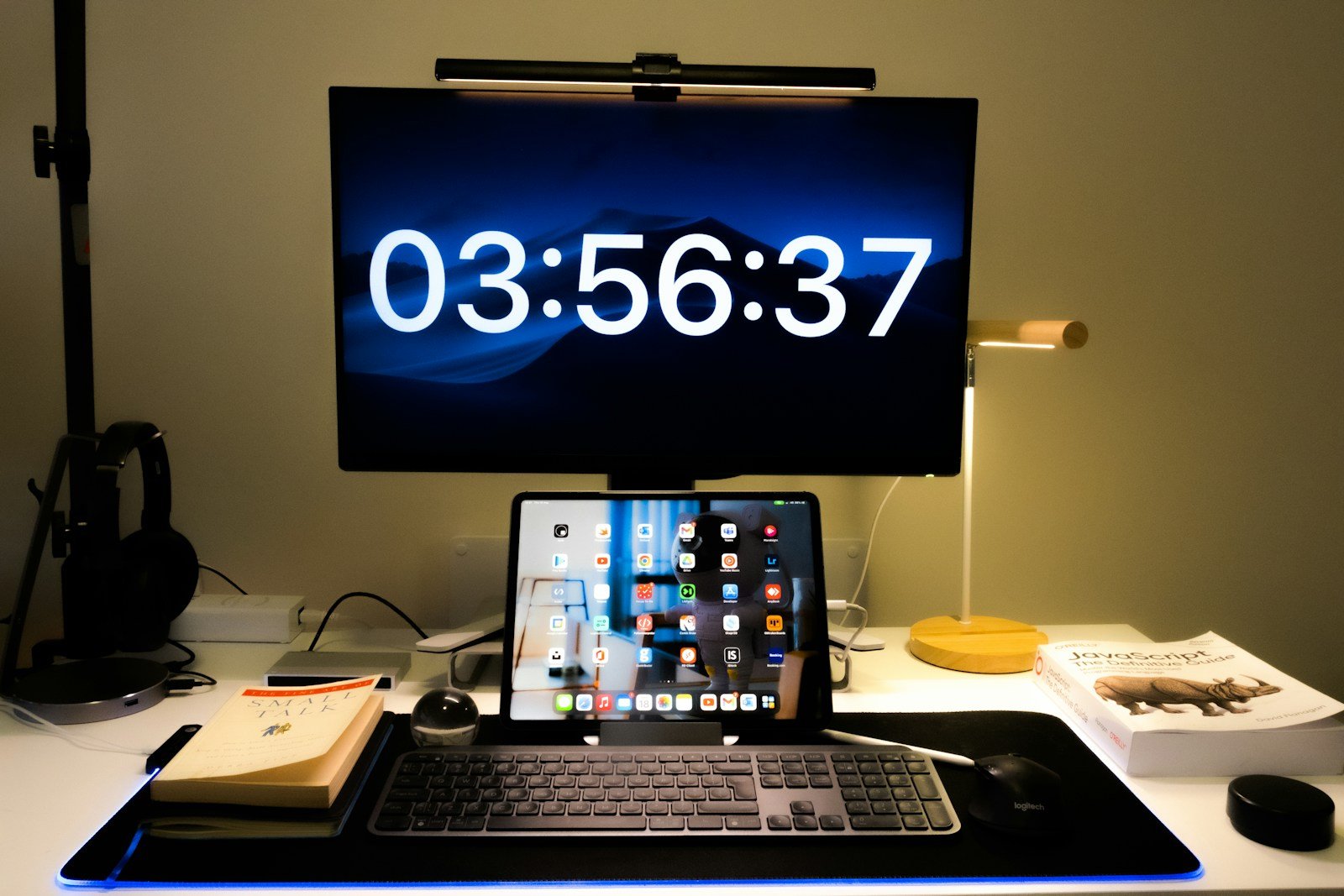
In today’s world, screens have become an integral part of daily life. Whether for work, education, entertainment, or communication, technology has revolutionized the way we interact with the world around us. However, as our reliance on digital devices increases, concerns about the impact of excessive screen time on our physical, mental, and emotional health have also emerged. From the rise of digital addiction to the physical toll of sedentary behavior, managing screen time is becoming a crucial aspect of maintaining a healthy lifestyle. This essay explores the importance of balancing screen time with other aspects of life, the negative effects of excessive screen use, and practical strategies for creating healthier habits around digital devices.
- The Impact of Excessive Screen Time
a. Physical Health Concerns
One of the most obvious consequences of too much screen time is its effect on physical health. Prolonged hours in front of a screen can lead to several health problems, the most common being eye strain or computer vision syndrome (CVS). Symptoms of CVS include blurred vision, headaches, dry eyes, and difficulty focusing. This condition arises from staring at a screen for extended periods, often at a close distance, which can strain the muscles in the eyes and lead to discomfort.
Another major concern is the sedentary lifestyle associated with excessive screen time. Hours spent sitting while using a computer, smartphone, or television can lead to poor posture and an increased risk of obesity, heart disease, and musculoskeletal issues. The lack of physical activity reduces overall energy expenditure, contributing to weight gain and increasing the likelihood of chronic health conditions such as diabetes and hypertension.
b. Mental and Emotional Effects
Beyond physical health, excessive screen time has been linked to negative mental and emotional effects. Research has shown that high amounts of screen time, particularly on social media, can increase feelings of anxiety, depression, and loneliness. The constant exposure to curated, idealized images of others’ lives can lead to social comparison, which in turn negatively impacts self-esteem and body image. Additionally, the pressure to stay constantly connected and engaged can lead to a sense of digital burnout, where individuals feel overwhelmed by the never-ending flow of information and notifications.
For children and adolescents, excessive screen time can be particularly harmful. Studies indicate that excessive use of digital devices during developmental years can interfere with important life skills such as social interaction, emotional regulation, and attention span. Furthermore, the content consumed, particularly violent or inappropriate material, can affect behavior and mental well-being, contributing to increased aggression or desensitization.
c. Sleep Disruption
Another significant downside of excessive screen time is its effect on sleep quality. The blue light emitted by smartphones, tablets, and computers interferes with the production of the sleep hormone melatonin, making it harder to fall asleep and maintain restful sleep. This is particularly concerning for individuals who engage in screen time late at night or before bed. Poor sleep is directly linked to decreased cognitive function, poor mood, and increased susceptibility to illness, creating a cycle of health deterioration.
- The Need for Balance: Finding Healthy Screen Time Habits
Given the pervasive nature of screens in our lives, completely eliminating their use is unrealistic for most people. Instead, the focus should be on finding a balance between screen time and other essential activities, such as physical exercise, social interaction, and sleep. By setting intentional limits and adopting mindful usage habits, we can reduce the negative impact of screen time while still enjoying the benefits of technology.
a. Setting Time Limits
One of the simplest yet most effective ways to manage screen time is by setting daily time limits for non-essential activities such as social media, gaming, or television watching. The American Academy of Pediatrics (AAP) recommends that children over the age of two have no more than two hours of recreational screen time per day. For adults, the goal should be to avoid excessive screen time and reduce unnecessary distractions during the day.
Many smartphones and apps now include screen time tracking features that allow users to monitor their daily screen usage and set limits on app usage. These tools can be incredibly helpful in raising awareness about how much time is spent on digital devices and offer reminders to take breaks or switch activities. By proactively limiting screen time, individuals can create space for more meaningful, offline experiences.
b. Prioritizing Physical Activity
Incorporating regular physical activity into your daily routine is essential for mitigating the negative effects of excessive screen time. Engaging in physical exercise not only counters the sedentary nature of screen use but also helps improve overall health and well-being. Exercise increases blood flow to the brain, enhancing cognitive function, mood, and focus, which can help counteract the effects of mental fatigue caused by excessive screen time.
Consider scheduling daily movement breaks throughout the day, especially for individuals with desk jobs or those who spend long hours in front of screens. This could include short walks, stretching exercises, or quick workouts that promote circulation and relieve tension in the body. Additionally, activities such as yoga or tai chi can help improve posture and flexibility while also promoting mental clarity and relaxation.
c. Practicing Mindful Technology Use
Another key strategy for managing screen time is practicing mindful technology use. This involves being intentional about how and why we use digital devices, rather than mindlessly scrolling or engaging in endless content consumption. One way to implement mindfulness in screen use is by setting aside specific times for social media or checking email, rather than constantly checking throughout the day. This can reduce feelings of overwhelm and help maintain focus on more important tasks.
In addition, consider detoxing from digital devices during certain periods of the day or week. This could involve digital-free evenings or having screen-free Sundays, where individuals disconnect from screens and focus on other activities such as reading, cooking, or spending time outdoors. By designating specific times for device use, it’s possible to reconnect with the present moment and develop more meaningful relationships with others.
d. Creating Healthy Sleep Habits
As mentioned earlier, screen time, particularly before bed, can negatively impact sleep quality. To mitigate this, it’s important to establish healthy sleep hygiene practices that promote restfulness and relaxation. This includes reducing exposure to screens at least 30-60 minutes before bed, engaging in calming activities such as reading or meditation, and ensuring that the sleep environment is conducive to rest.
Investing in blue light blocking glasses or using night mode settings on devices can also help reduce the impact of blue light exposure. For those who struggle with insomnia or poor sleep due to excessive screen use, gradually implementing these changes can significantly improve sleep quality and overall health.
- The Role of Parents and Educators in Screen Time Management
Managing screen time is particularly important for children and adolescents, who may not yet have the ability to regulate their usage effectively. Parents and educators play a vital role in helping young people develop healthy digital habits and avoid the negative consequences of excessive screen time.
a. Setting Screen Time Boundaries for Children
Parents should establish clear screen time limits based on the age and developmental stage of their children. The American Academy of Pediatrics recommends that children aged 2 to 5 years have no more than one hour of screen time per day, while children aged 6 years and older should have consistent limits on recreational screen time. It’s also important to ensure that screen time doesn’t interfere with other important activities, such as physical activity, sleep, and family interactions.
b. Encouraging Alternative Activities
In addition to setting limits on screen time, parents and educators can encourage children to engage in other activities that promote healthy development. This could include outdoor play, reading, arts and crafts, or learning new skills. By providing alternatives to screen-based entertainment, parents can help children cultivate a more balanced and active lifestyle.
c. Modeling Healthy Habits
Parents and educators should also model healthy technology use for children. If children observe adults spending excessive time on devices or neglecting offline activities, they are more likely to mimic those behaviors. Modeling balance, mindfulness, and intentional screen use can help children learn how to manage their own screen time in a healthy way.