
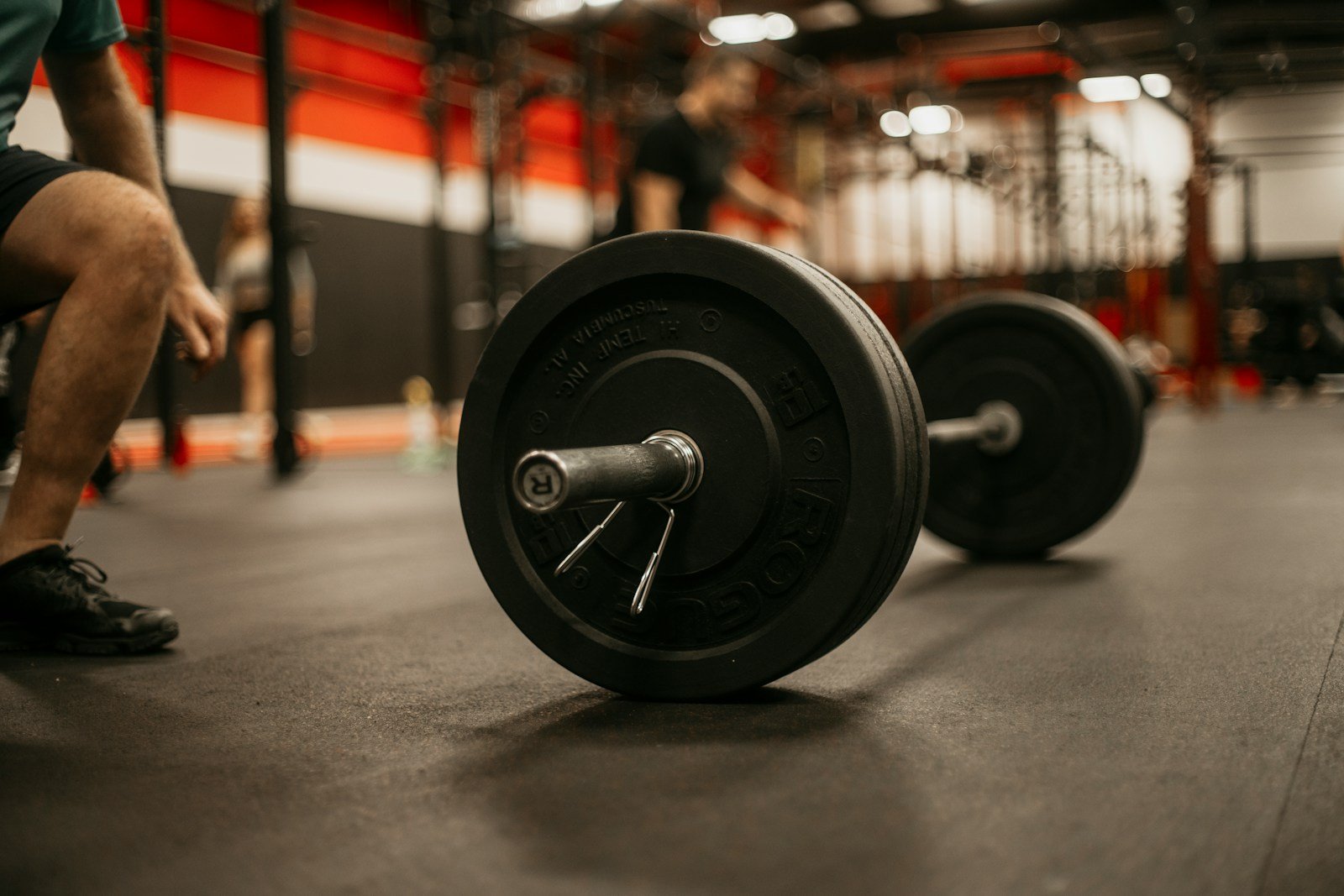
Muscle-building training is more than just lifting weights—it’s a progressive journey of personal transformation, education, and consistent dedication. Whether you’re stepping into the gym for the first time or pushing past plateaus as an experienced lifter, understanding how to structure your training through various phases is crucial. This essay takes you through the complete roadmap—from beginner to pro—covering not only physical training techniques but also mindset, nutrition, and recovery strategies that evolve along the way.
- The Foundation: Beginning the Muscle-Building Journey
a. Understanding the Basics
At the beginner stage, muscle-building begins with learning and establishing foundational habits. The body is unfamiliar with resistance training, and this initial period is often referred to as “newbie gains”—a time where the body responds rapidly to stimuli due to its lack of prior exposure.
Beginners should focus on compound movements—exercises that engage multiple muscle groups simultaneously. These include the squat, deadlift, bench press, overhead press, and pull-ups. These lifts not only improve strength but also coordination and overall movement mechanics.
b. Simplicity and Consistency
The training plan should be simple and consistent. A full-body routine performed three times per week with adequate rest in between is ideal. The goal at this stage is not to max out weights but to master form and develop consistency. Progressive overload—gradually increasing the resistance—is introduced in small increments to safely stimulate growth.
c. Nutritional Support
Nutrition at the beginner level focuses on meeting basic protein and caloric needs. Protein intake of 1.6 to 2.2 grams per kilogram of body weight is generally recommended for muscle growth. Emphasis is also placed on consuming enough calories to fuel workouts and recovery, often requiring a slight caloric surplus.
- The Intermediate Phase: Turning Commitment into Craft
a. Adapting Training Intensity and Volume
Once the beginner gains taper off, it’s time to evolve. Intermediate lifters typically train for 6–18 months, during which adaptation slows and training must become more strategic. Instead of full-body routines, lifters transition into upper/lower or push/pull/legs splits, allowing for greater volume and intensity per muscle group.
Training volume (total sets per muscle group per week) is increased, typically aiming for 10–20 sets per muscle depending on recovery ability and goals. Exercises are diversified, including both compound and isolation movements to address all aspects of muscle development.
b. Tracking Progress
At this level, logbooks, apps, or spreadsheets are used to track weights, sets, reps, and rest times. Understanding progressive overload becomes more nuanced—it’s not just about lifting heavier but also improving technique, increasing reps at the same weight, or reducing rest intervals.
c. Recovery and Lifestyle Balance
Sleep, hydration, and stress management are emphasized. Without adequate 7–9 hours of sleep, muscle repair is compromised. Recovery tools such as mobility work, foam rolling, and active rest days begin to play a larger role in preventing overtraining.
- The Advanced Stage: Fine-Tuning Performance and Physique
a. Targeted Programming
For those who have trained for several years consistently, reaching the advanced stage means most of the “easy” gains are behind them. Progress now demands precise and individualized programming. Lifters cycle through different training blocks—hypertrophy, strength, deloads, and even power phases—to continually challenge their bodies.
Advanced programming may use periodization, tempo training, and pre-exhaustion techniques. Muscle groups are trained with high specificity, often targeting weak points or aesthetic imbalances.
b. Nutrient Timing and Supplementation
Nutrition becomes more refined. Macronutrient timing (e.g., consuming carbs and protein around workouts) is used to enhance performance and recovery. Supplements like creatine, beta-alanine, BCAAs, and caffeine are introduced strategically, although they remain secondary to a strong whole-food diet.
Advanced athletes may also engage in cutting or bulking cycles, manipulating caloric intake and macronutrient ratios to either reduce body fat or gain lean muscle mass, depending on their physique goals.
c. Recovery and Regeneration
As muscle damage and training stress become greater, active recovery, sports massage, and periodic deload weeks (reducing training volume and intensity) are implemented. Injury prevention and long-term joint health are prioritized. The psychological demands also increase, necessitating mental resilience and discipline.
- The Mental Evolution: From Motivation to Mastery
a. Shifting Goals
Beginners often start with simple aesthetic or strength goals—“get toned,” “build arms,” or “lift 100kg.” As lifters progress, goals shift toward performance benchmarks, competitive aspirations, or holistic well-being. Training becomes a lifestyle rather than a task.
b. Motivation vs. Discipline
While beginners rely on bursts of motivation, advanced lifters understand the power of discipline and routine. They train even on days they feel low energy, not because they are always driven, but because consistency yields results.
c. Lifelong Learning
Muscle-building is a science and an art. From learning about biomechanics to studying nutritional research or coaching others, advanced lifters often turn into mentors or educators, perpetuating their passion by giving back.
- Navigating Challenges and Plateaus
a. Plateau Management
Regardless of level, plateaus are inevitable. Beginners may stall due to under-eating or poor form, intermediates due to insufficient recovery, and advanced athletes due to the body’s resistance to adaptation. Deloads, new stimulus (e.g., different training style), or even time off can help reset progress.
b. Avoiding Burnout
Training burnout, both physical and mental, is real. Diversifying goals—such as integrating endurance work, martial arts, or outdoor sports—can reignite enthusiasm. Listening to the body and allowing periods of lower intensity ensures sustainability.
- The Role of Community and Coaching
a. Learning From Others
From workout partners to online forums or personal trainers, being part of a community boosts accountability, motivation, and learning. Beginners benefit from coaching on form and structure, while even advanced athletes seek out coaches for external feedback or competition prep.
b. Giving Back
As lifters evolve, they often become the mentors they once sought. Helping others avoid mistakes or encouraging new lifters not only enhances the community but deepens one’s own understanding and fulfillment.